How Should I Label Curated Sections Like “Most Popular” and “New” So People Trust Them?
In today’s sprawling e-commerce landscape, online stores often contain tens of thousands — sometimes hundreds of thousands — of SKUs. With such vast inventory, the challenge isn’t just what you sell, but how you present it. Your customers don’t want to sift endlessly through categories or filters; they want curated sections like “Most Popular” or “New Arrivals” that help them get started quickly. But how do you label these sections in ways that build trust instead of skepticism?
Drawing on insights from top-tier companies like MrQ, authoritative research from Harvard Business Review, and best practices observed at CookieDatabase, this post will guide you through practices that enhance user trust and reduce decision friction by smarter labeling of curated collections.
The Inventory ≠ Experience Reality
One of the most common pitfalls in e-commerce UX is equating a website’s experience with its inventory volume. If you have 50,000 items, that doesn’t inherently mean your customer’s journey is rich or intuitive.
Many stores assume that simply sorting or filtering their extensive SKUs will lead to a great experience. However, this approach puts the burden on the customer to interpret your taxonomy — categories, subcategories, tags — which may be logical internally but foreign to shoppers.
MrQ, a leading online gaming platform, excels because they acknowledge the difference between inventory and experience. Their curated gaming sections like “Most Popular Slots” or “Newest Releases” serve as starting points for customers overwhelmed by choice. Similar logic applies to e-commerce: presenting curated collections simplifies the journey.

Why trust depends on labeling—more than just naming a section
Labels like “Most Popular” or “New Arrivals” can feel generic or manipulative if not applied transparently. Customers have experienced “most popular” lists https://highstylife.com/why-do-shoppers-bounce-when-i-add-more-products-to-my-site/ padded with less relevant products or “new” sections cluttered with items that aren’t genuinely new.
This creates cognitive dissonance and erodes trust. How can you ensure your labels reflect what customers’ mental models expect?
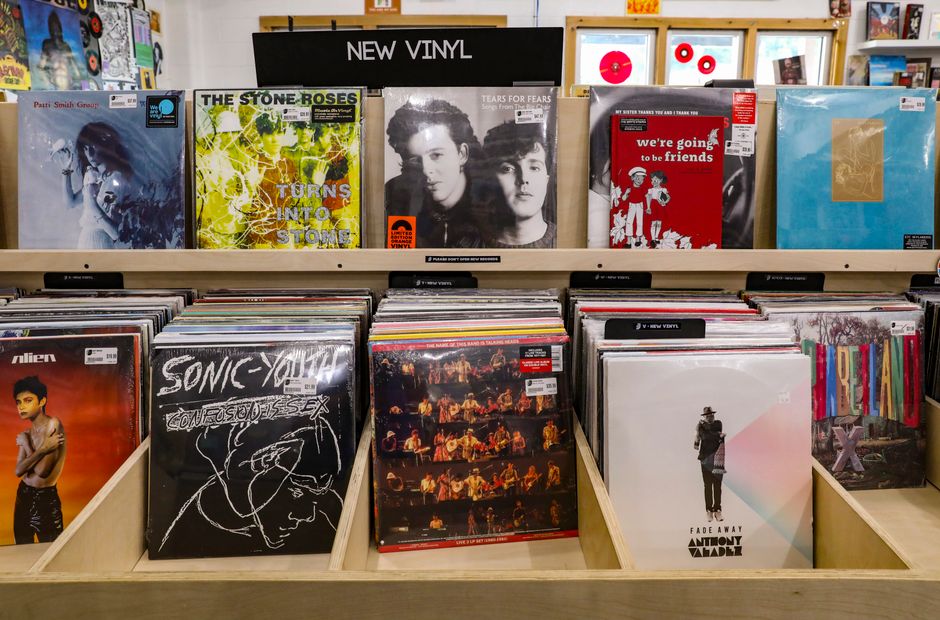
Customer Mental Models Beat Internal Taxonomies
Internal product taxonomies are built around SKU attributes, vendor categories, and backend logic. Customers’ mental models, however, rely on simpler, intuitive concepts: What’s trending? What’s new? What’s curated for me?
Consider the insights from Harvard Business Review, which emphasize aligning category labels with customer expectations rather than business-centric groupings.
When you label a section “Most Popular”, the user expects:
- Products truly popular among other customers
- Fresh, relevant, and up-to-date listings
- Transparency if any algorithmic influence or paid placements are included
Similarly, a “New Arrivals” section should prominently feature products added recently — not recycled or “new for this season” labels that confuse the timeline.
CookieDatabase provides an example in the cookie consent world. Their “Manage Options”, “Manage autocomplete search Services”, and vendor count labels break down complex privacy information into customer-expected mental buckets. Users come to trust these curated collections because they reflect intuitive groupings.
Applying mental models to curated collections
- Use data-driven metrics for “Most Popular”. Show items with verified sales or engagement stats over a relevant recent time frame.
- Date-stamp or label products in “New Arrivals”. If possible, mention the specific arrival window e.g., “Added in the last 30 days.”
- Explain curation criteria transparently. Add microcopy or a tooltip explaining how items are selected.
Choice Overload Causes Decision Friction
A major cognitive barrier for online shoppers is choice overload — when the sheer number of options causes confusion, frustration, and abandonment. Numerous academic and industry studies show that store visitors are more likely to convert if their buying journey starts with a curated, limited selection.
Curated collections labeled as “Most Popular,” “New,” or specific “Curated Collections” help reduce decision friction by narrowing choices to manageable, relevant products.
MrQ’s success underscores the value of this principle. Their site gently guides users through curated sections rather than overwhelming them with all offerings at once.
How to minimize decision friction with labeling
- Limit the number of items in your curated lists. A carefully selected 10–20 product set is easier to scan than 100+.
- Group curated collections by meaningful themes that resonate with your customers’ needs and mental models, e.g., “Staff Picks,” “Trending This Week,” or “Top Rated.”
- Include visual cues like badges or icons that signal relevance (e.g., “Bestseller,” “New,” or a star rating).
Curated Sections Help People Start
Curated collections aren’t just about product organization — they act as cognitive entry points into your store. They help users who don’t yet know what they want by providing clear, compelling options.
This engagement aligns with best practices seen in cookie consent manager UIs, where users must make choices across dozens of vendors and services. Sites like CookieDatabase’s EU cookie policy page show clear segmentations of vendors and services, helping users start the process without getting overwhelmed.
Similarly, your “Most Popular”, “New Arrivals”, and other curated sections scaffold the discovery process, reducing bounce rates and boosting conversions.
Best practices for building trusted curated sections
Best Practice Explanation Example Data Transparency Display how popularity or newness is measured. “Top 10 products based on sales last 30 days” Consistent Update Frequency Update curated lists regularly to keep content fresh. Refresh new arrivals section weekly. User-Centric Labels Use familiar terms aligned with customer mental models. “Trending Now” instead of internal codes. Limit Size Keep curated sections manageable to reduce overload. Top 15 products only Explain Label Meaning Use tooltip or microcopy to clarify curated collection criteria. “Chosen based on user reviews and sales data”Summary
Building trust with curated sections like Most Popular and New Arrivals depends less on the inventory size and more on how well you align labels with customer mental models and reduce decision friction. Just as cookie consent platforms like CookieDatabase have refined user-centric language and segmentation for clarity, successful e-commerce merchants like MrQ prioritize transparent, data-driven curation.
Remember:
- Inventory ≠ Experience: Don’t overwhelm, curate.
- Mental Models > Internal Taxonomies: Speak customer language.
- Choice Overload = Friction: Simplify with selective collections.
- Curated Sections Jumpstart Discovery: Guide users confidently.
With these principles, your most popular label, new arrivals section, and other curated collections won’t just catch eyes — they’ll gain customer trust and drive conversions in a crowded marketplace.